Art and Design
Intent
At Ruswarp C of E Primary School, our intent in delivering the Art curriculum is to foster creativity, critical thinking, and cultural awareness among our pupils.
We aim to provide a high-quality art education that inspires, engages, and develops each child’s artistic potential, equipping them with the skills, knowledge, and confidence to express themselves visually. Key elements of our intent include:
Diversity and Inclusion:
A commitment to a curriculum that reflects the backgrounds and experiences of all pupils, ensuring representation from various cultures and perspectives.
Cross-Curricular Connections:
Integrating art with other subject areas such as history, science, and literacy, to enhance understanding and make learning more relevant and engaging.
Personal Expression and Wellbeing:
Encouraging pupils to express their thoughts and emotions through art, thereby promoting mental health and emotional development.
Spiritual Development:
Encouraging pupils to explore their own feelings and beliefs through art, promoting self-reflection and personal growth in a safe and nurturing environment.
British Values:
Embedding values such as democracy, the rule of law, individual liberty, and mutual respect within the art curriculum; allowing pupils to appreciate different viewpoints and cultures.
Skill Development:
A structured progression of skills from Early Years through to Year 6, ensuring all pupils can refine their techniques, explore different media and develop a critical understanding of art.
Implementation
The implementation of our Art curriculum at Ruswarp C of E Primary School is underpinned by best practices that ensure a vibrant and engaging learning environment.
Curriculum Design:
Our art curriculum follows a well-defined framework that outlines clear objectives and desired outcomes for each year group. Each term, pupils engage in themed projects that focus on specific artists, techniques, or cultural contexts, supported by carefully selected resources.
High-Quality Teaching:
Art lessons are delivered by skilled practitioners who are passionate about the subject. Teachers receive ongoing professional development to keep abreast of new techniques, materials, and educational practices.
Collaborative Projects and Community Engagement:
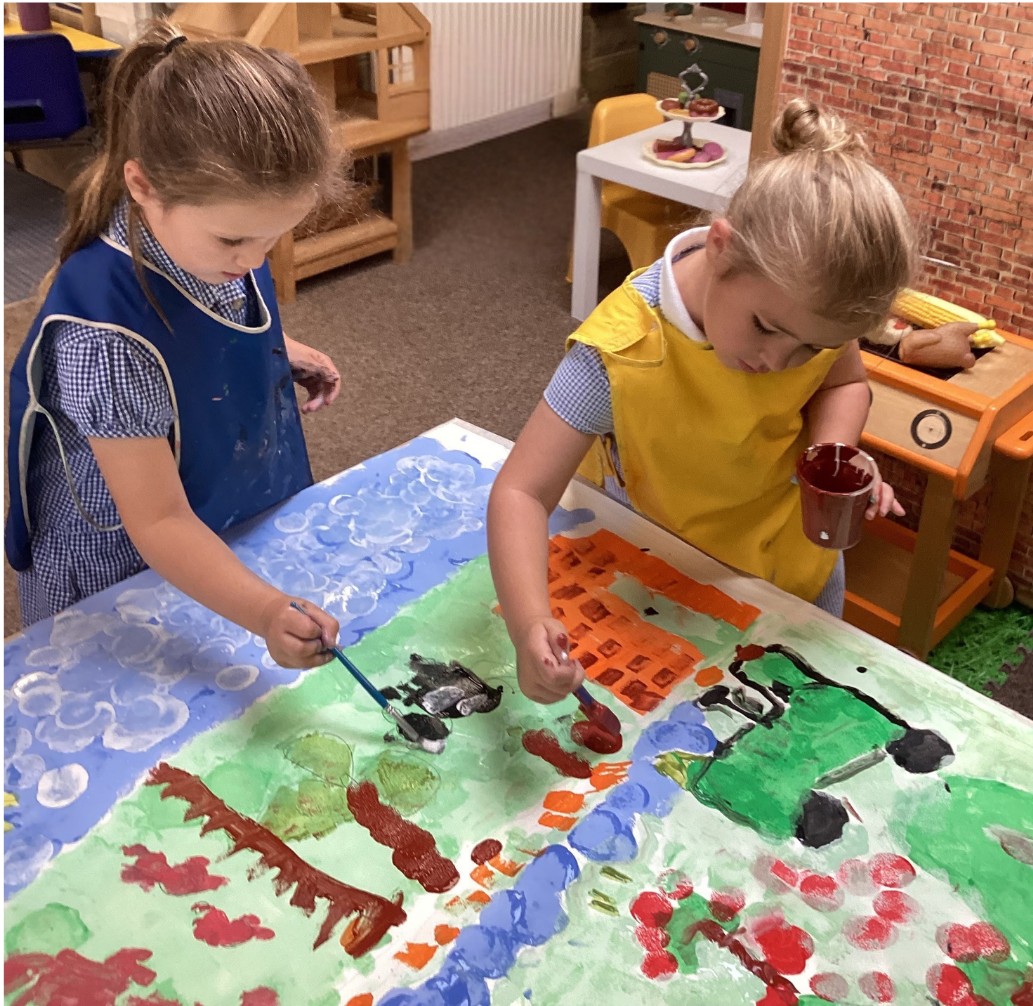
Pupils participate in collaborative projects that foster teamwork and an understanding of the role of artists in the community. We regularly invite local artists to inspire and guide our children, further establishing links with the local cultural landscape.
Assessment and Feedback:
Formative assessment strategies are utilised to monitor progress closely. Regular feedback is provided to pupils, helping them to reflect on their learning and identify areas for improvement. Summative assessments occur at key stages, ensuring a comprehensive understanding of pupils' artistic development.
Impact
The impact of our art curriculum is evident in our pupils' creative outputs, personal growth, and critical understanding of art.
Creative Outcomes:
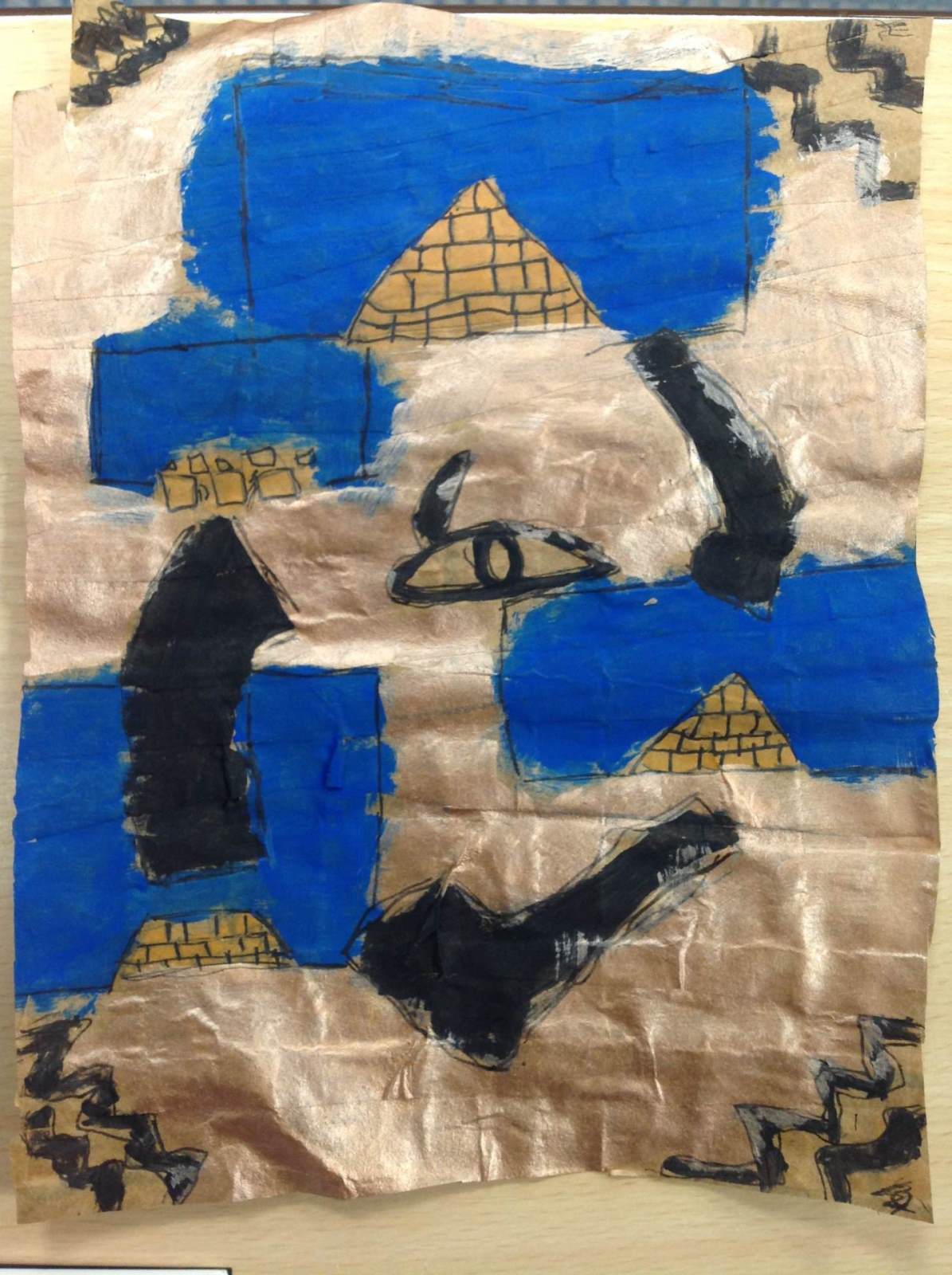
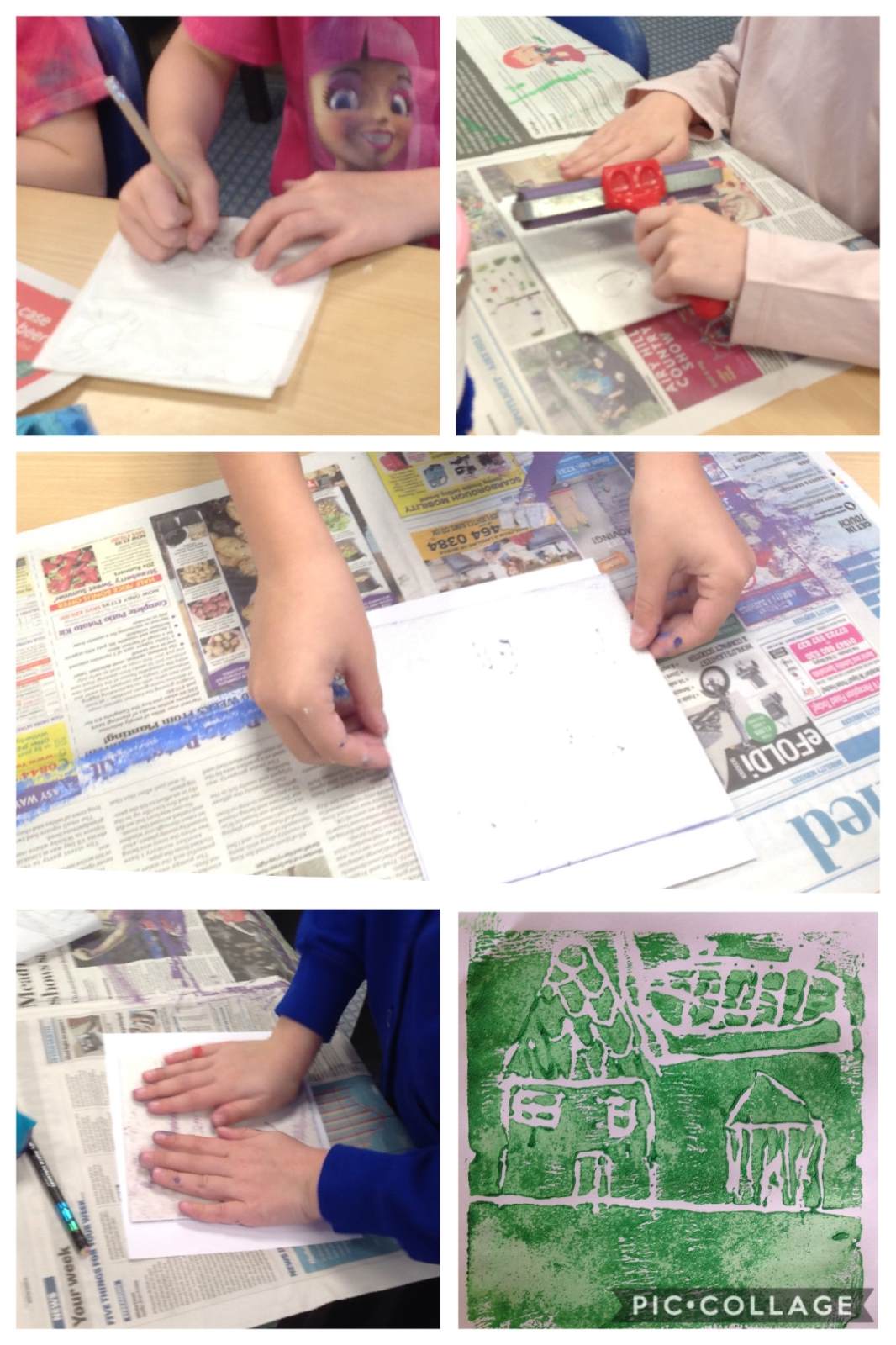
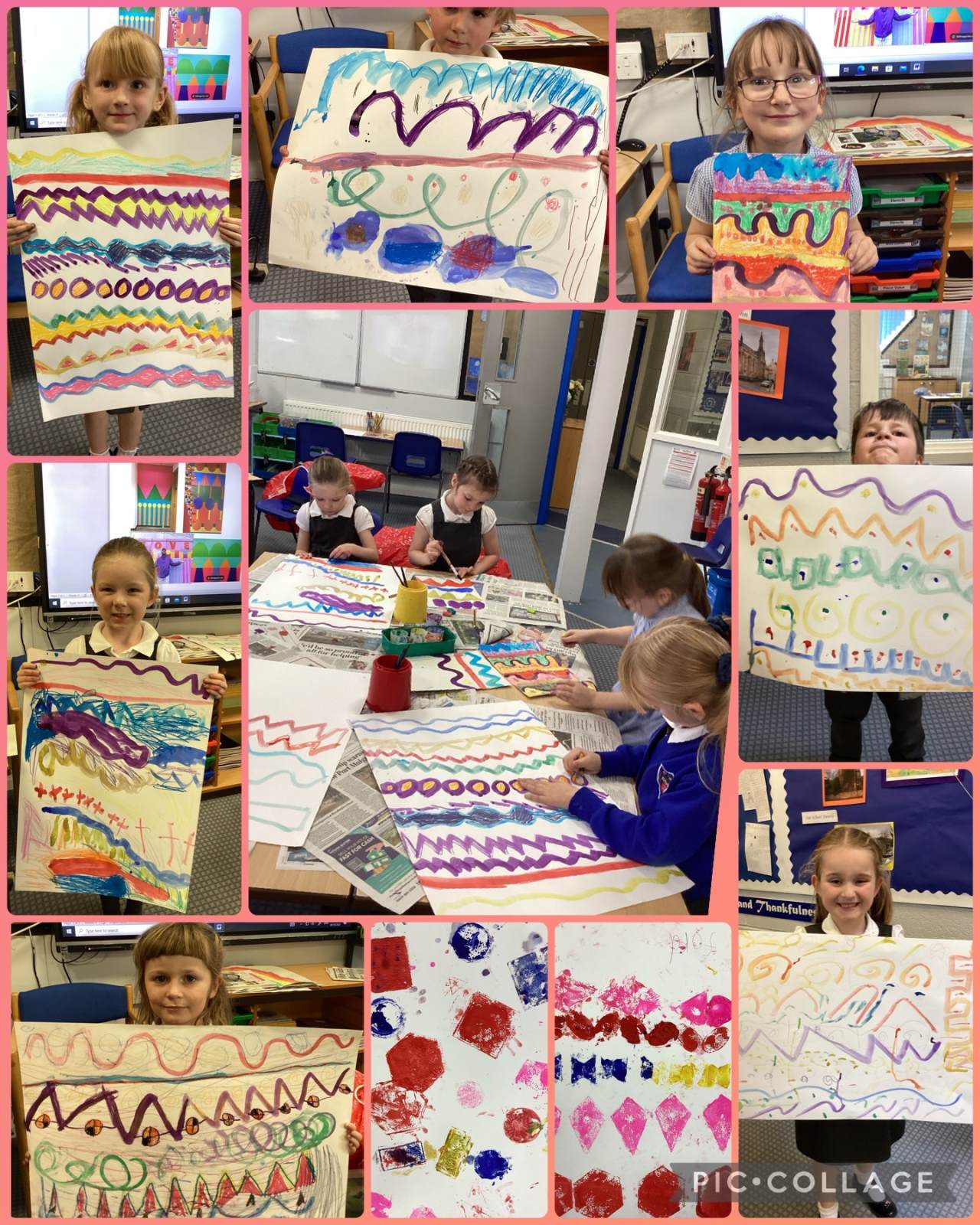
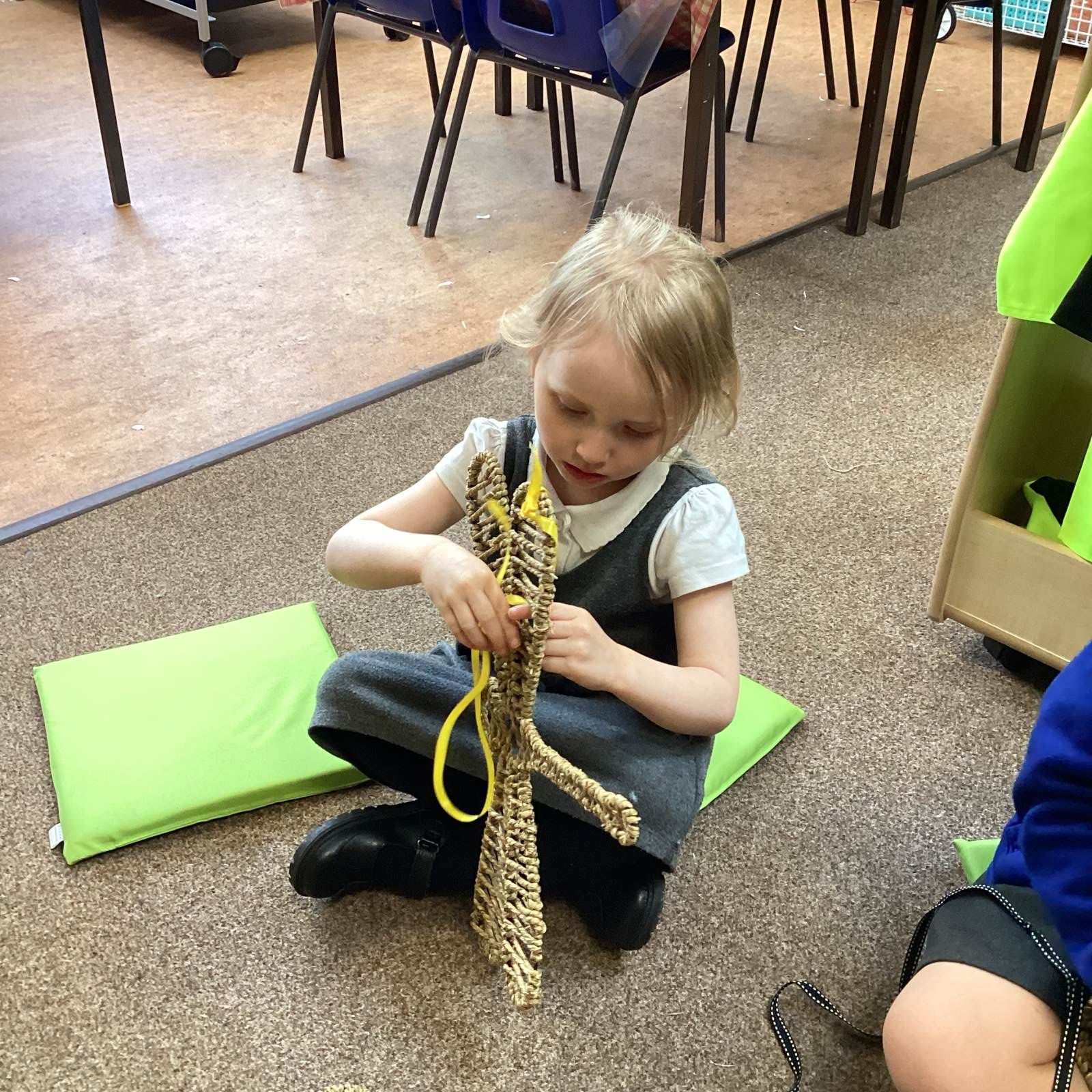
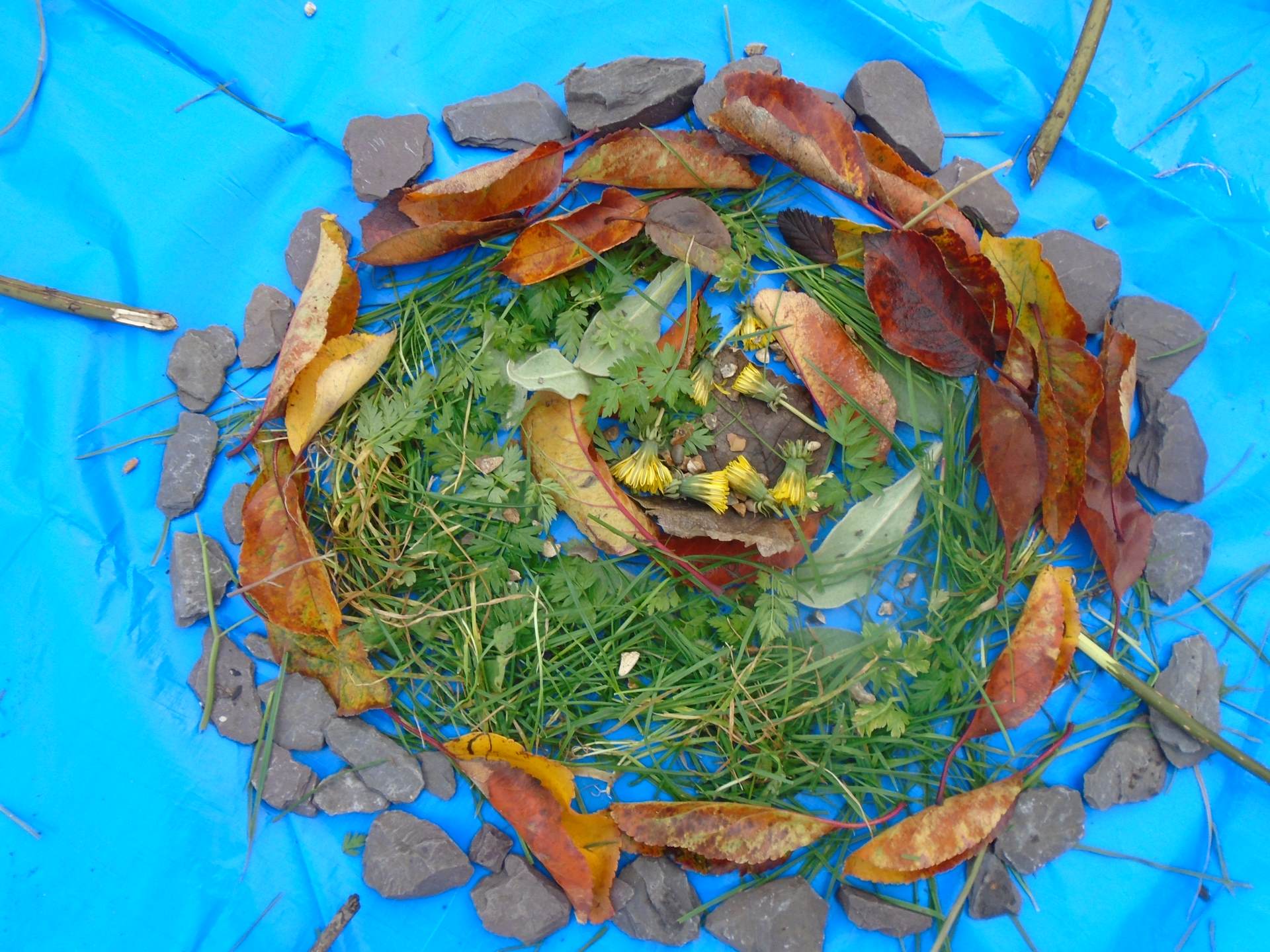
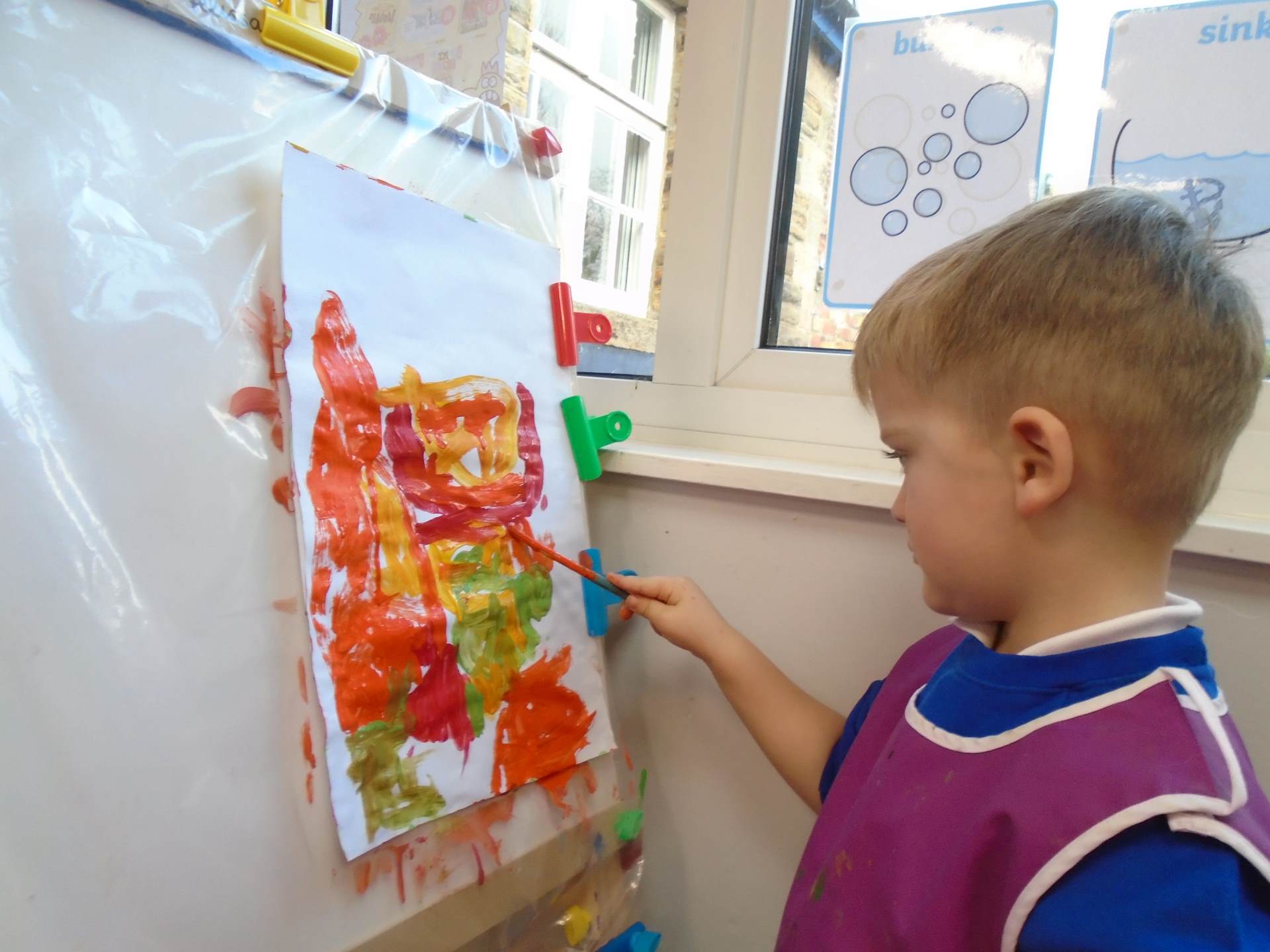
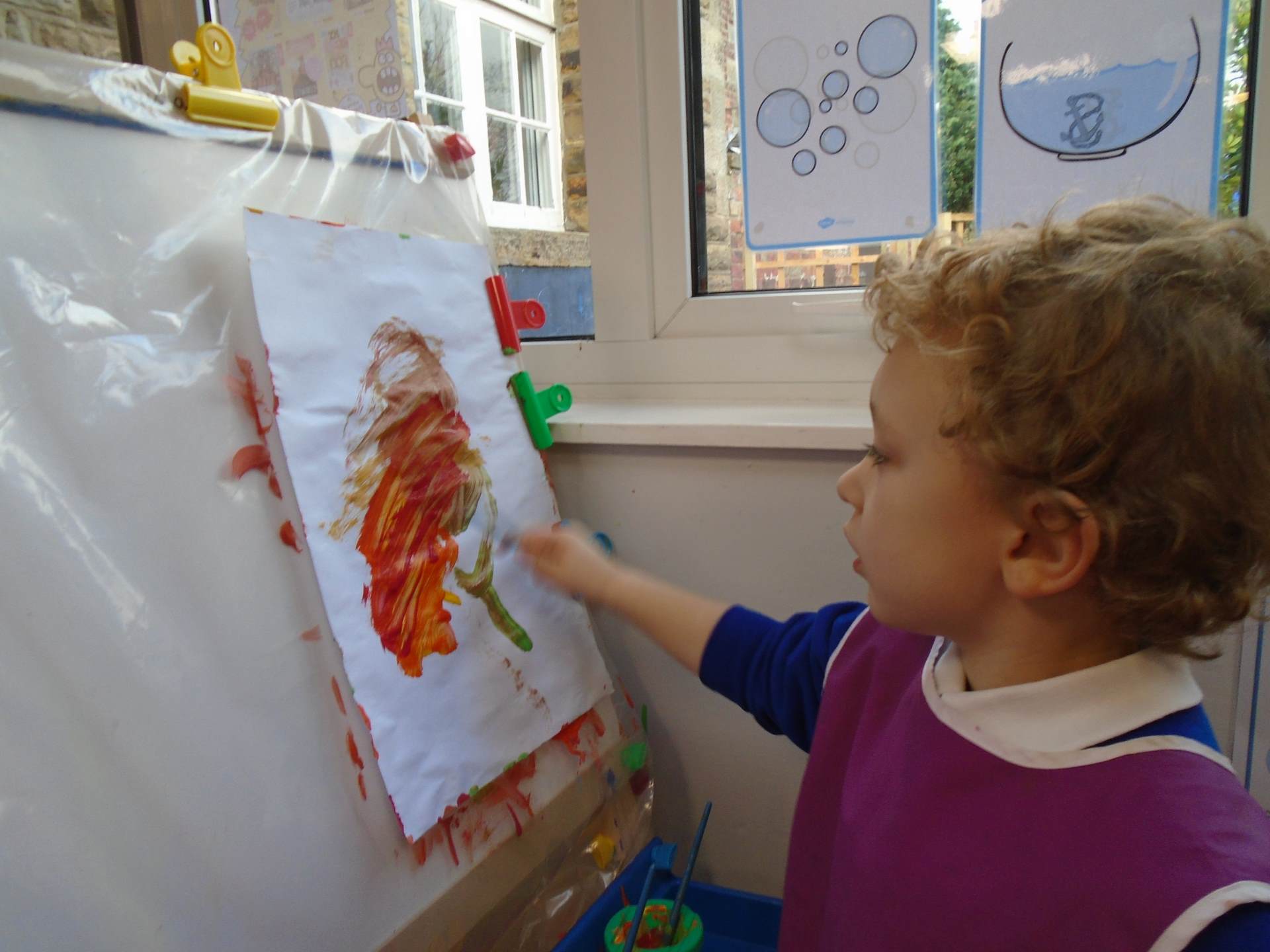
A broad range of artwork produced by pupils demonstrates both technical skill and personal expression. Displays around the school celebrate diversity and creativity, fostering a sense of pride and ownership among pupils.
Pupil Voice and Engagement:
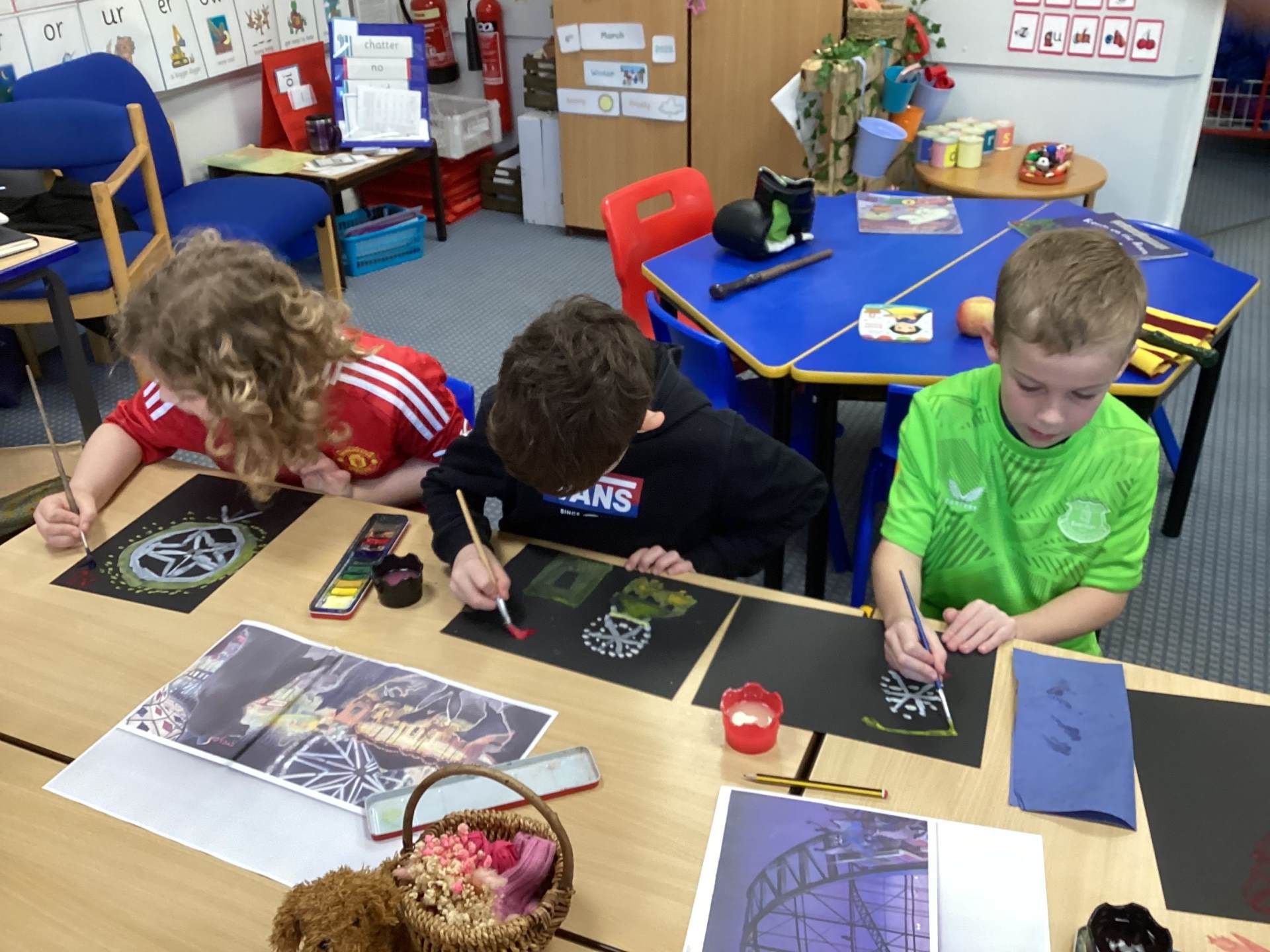
Pupil feedback indicates a high level of enjoyment and engagement with art lessons.
Cultural Awareness:
Pupils develop a deep appreciation for art from various cultures and historical periods, evidenced by their ability to discuss the significance of different art forms and artists during lessons and showcases.
Social and Emotional Development:
Participation in art activities contributes positively to pupils’ mental well-being. The safe and supportive environment allows pupils to take risks in their creative journey, which enhances resilience and self-confidence.
Community Links:
Our community engagement initiatives, including exhibitions and workshops, strengthen relationships with local artists and cultural institutions, enhancing the overall cultural capital of our students.
Achievement:
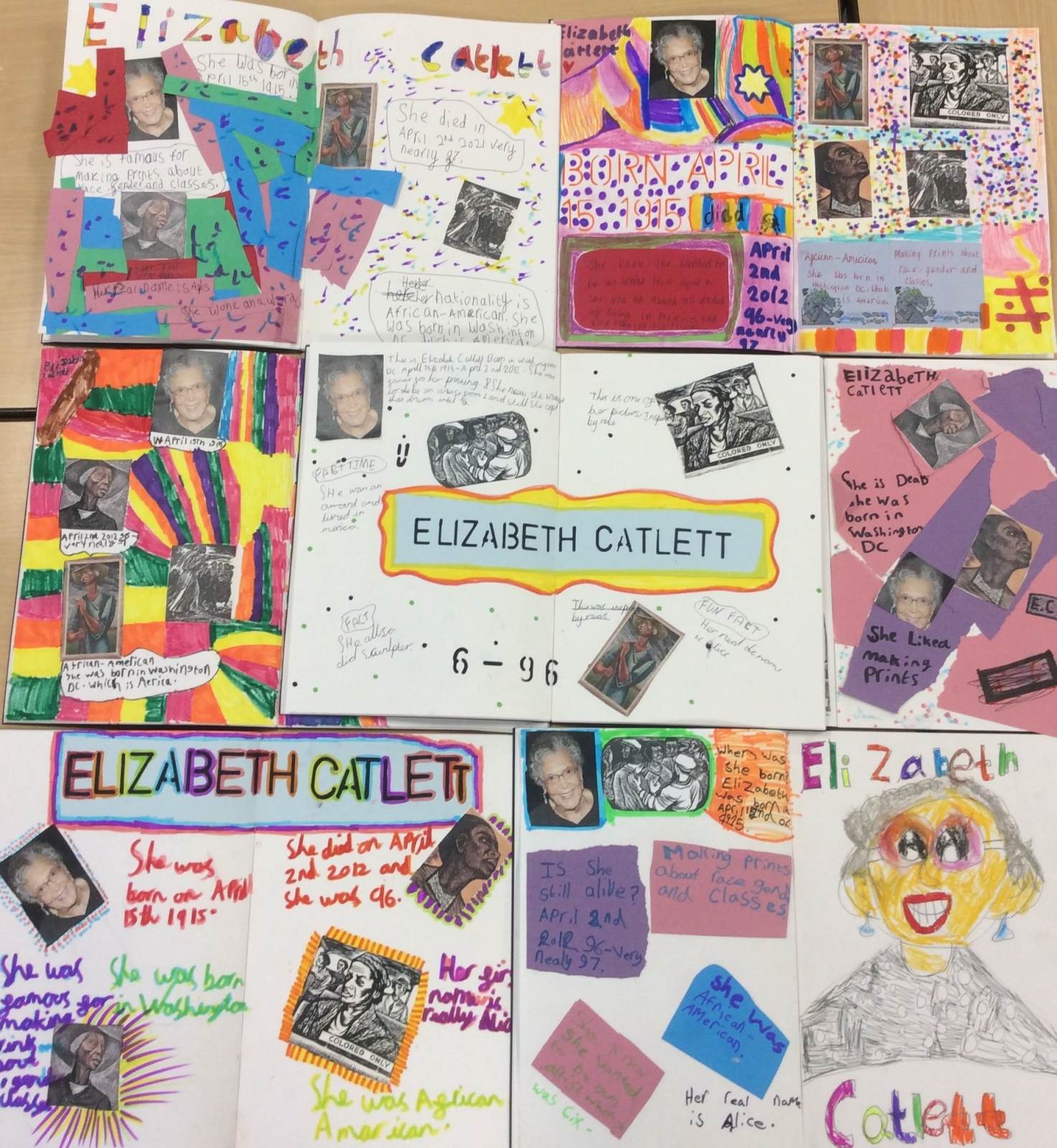
Evidence from sketch books and work produced reflects continuous improvement in pupil skills and knowledge, with a high percentage of pupils achieving age-related expectations or exceeding them by the end of Year 6.
Art at Ruswarp